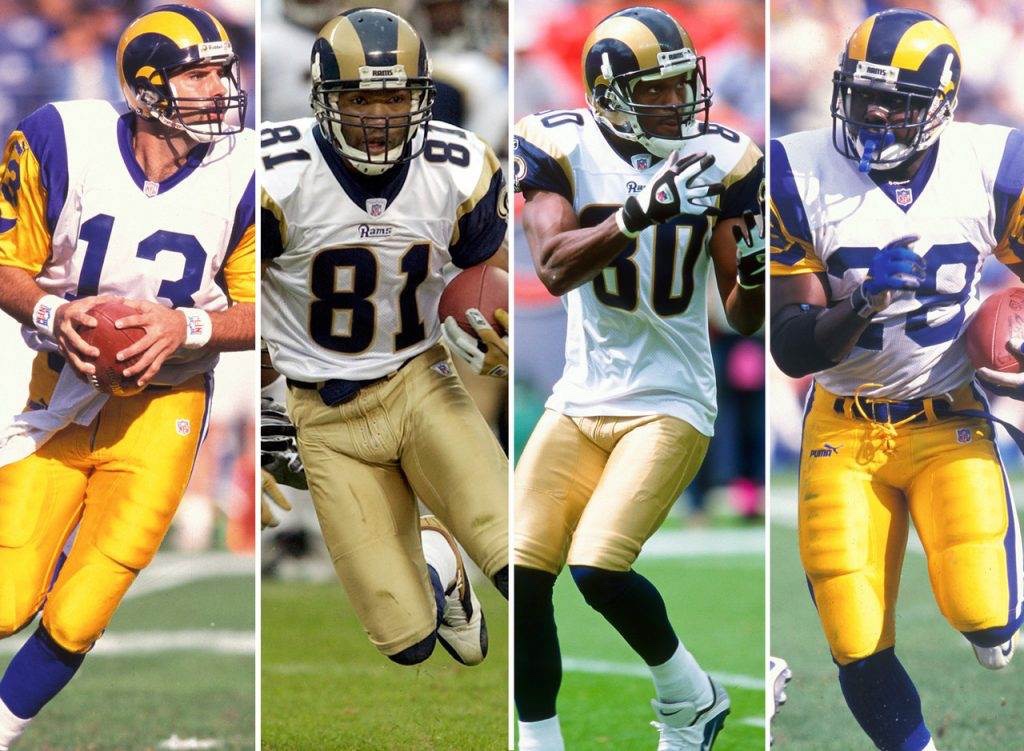
1999 was an interesting year to say the least. It was the last year of the 20th century and we were uncertain whether or not the Y2K computer bug was going to shut our world down. It was my last year of high school before I started college.
It was the year the St. Louis Rams took us by surprise with the Greatest Show on Turf. It wasn’t supposed to be that way, however. The Rams had Trent Green penciled in as their starting quarterback.
Green went down with a devastating injury in the preseason which ended his 1999 season. All hope was now on an untested Arena League quarterback out of Northern Iowa whose last job was stocking shelves for minimum wage at a local grocery store. Enter Kurt Warner.
The Rams weren’t expected to do much that season, coming off of a four win campaign in 1998. The Atlanta Falcons were the favorite to win the division and possibly the conference after their Super Bowl appearance the year before. The 49ers put a hex on the Rams, not having lost to them since 1990. Coach Dick Vermeil was wondering why he came back two years prior.
That September was crazy. Vinny Testaverde and Jamal Anderson went down with early season-ending injuries. Minnesota struggled to regain the form of their magic season from a year ago, and Denver looked like they were experiencing their worst Super Bowl hangover with John Elway officially retired. The teams in last year’s conference championship games looked like nothing like what they did just eight months prior.
October wasn’t much better. 2,000 yard rusher Terrell Davis went down for the season in a loss to the New York Jets. Minnesota’s offense was not scoring like last year when they broke the record for most points in a season. Michael Irvin was slammed to the turf in Philadelphia and his career was over. Kurt Warner was setting the league on fire with superb style of play and the Greatest Show on Turf was just getting started.
When the season ended, the Rams were the biggest surprise and Falcons the biggest disappointment. The Rams ended their long losing streak against the 49ers (who fell mightily). The Mike Ditka era in New Orleans failed miserably and he was gone after three seasons.
The Rams finished first in scoring offense and the reason was their stellar offense led by Kurt Warner, newly acquired Marshall Faulk, Isaac Bruce, Torry Holt, and Az-Zahir Hakim. Warner tossed 41 touchdown passes and let the world know he was for real. Marshall Faulk put up a thousand yards on the ground and in the air.
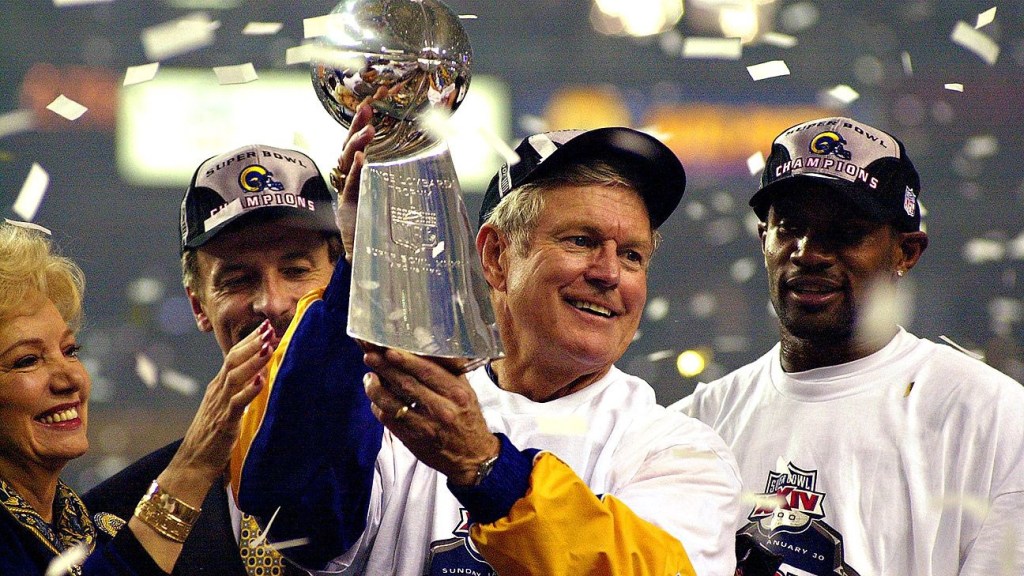
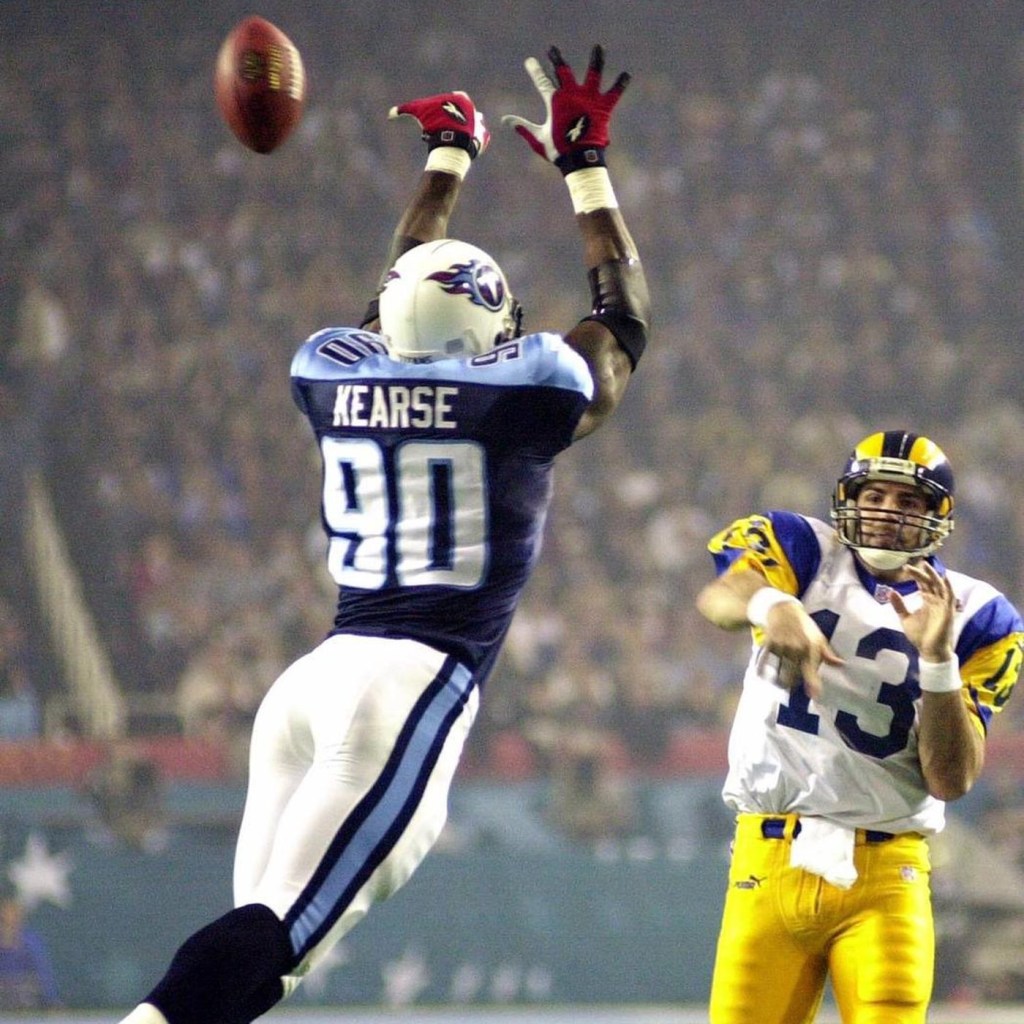
The Rams prevailed in the playoffs with wins over the Vikings, Bucs, and AFC champion Titans. The Bucs’ stellar defense held the Greatest Show on Turf to 11 points and the Titans had a chance to tie the Super Bowl if not for the tackle. Dick Vermail retired following the 1999 season and offensive coordinator Mike Martz was promoted to head coach for the 2000 season.
2000 was another great year for the GSOT but the Rams finished dead last in points allowed as the defense gave up nearly 30 points a game. Kurt Warner missed five games due to injury but Isaac Bruce and Torry Holt put up massive numbers in their air regardless. The porous 🧽 defense held the Rams back though and they lost to the upstart New Orleans Saints in the Wild Card.
2001 saw the Rams draft well on defense and they were elite once again finishing 14-2 with the top seed in the NFC and the NFL’s best record. The results paid off and they finished top ten in points and yards allowed per drive. However, they were average to below average in third and fourth down percentage, as well as red zone percentage.
The Rams picked off Brett Favre six times in the divisional playoff game and knocked off the Eagles in the NFC championship game thanks to a great performance by Marshall Faulk. They were heavily favored in the Super Bowl against the surprising New England Patriots who led by their wunderkind quarterback, Tom Brady.
It wasn’t meant to be as New England held the Greatest Show on Turf scoreless for three quarters before the Rams tied the game in the fourth. Adam Vinatieri kicked the game winning field goal as New England pulled off the upset in Super Bowl 36 🇺🇸.
2002 saw the wheels fall off completely for the Rams and Kurt Warner. Warner missed a significant amount of playing time as the Rams regressed mightily to finish 7-9 and miss the postseason. Mark Bulger took over the starting role and impressed as he went 6-1 in place of the NFL MVP. It was likely curtains for Warner after a poor performance coming off two great seasons prior.
2003 was the last true great season for the Rams and the GSOT. Bulger took the starting role immediately after Warner’s lackluster performance against the Giants in Week 1 and never looked back. Despite the 12-4 finish and undefeated home record, the Rams were done in by the upstart Carolina Panthers in double overtime.
2004 and 2005 saw the Rams play mediocre. Yes they made the playoffs in 2004 but they got crushed by Atlanta in the divisional round. The end came in 2005 when the offense and defense struggled mightily and Seattle took control of the West, finishing 13-3 and going to Super Bowl 40.
Mike Martz missed most of the season and was let go at the end of the year. Scott Linehan 🤮 would be named head coach in 2006 and the team that impressed us with the Greatest Show on Turf was now officially dead. The end of the Martz era coincided with the end of my college years and the beginning of my own mediocrity and misery.
Like my college years, the Greatest Show on Turf era was temporary, but it was a great run and it was heartfelt. When it ended, the Rams fell and they fell hard. When my college years ended and my real world era began, I fell very hard too (at least I did early on). Like the Rams after their move to Los Angeles in 2016, I picked myself back up as well.
 Stylish 🍒